FROGNER
Experience the green side of Oslo West
Live between Frognerparken, Bygdøy and some of Oslo's most beautiful apartment buildings.

The classic Oslo west
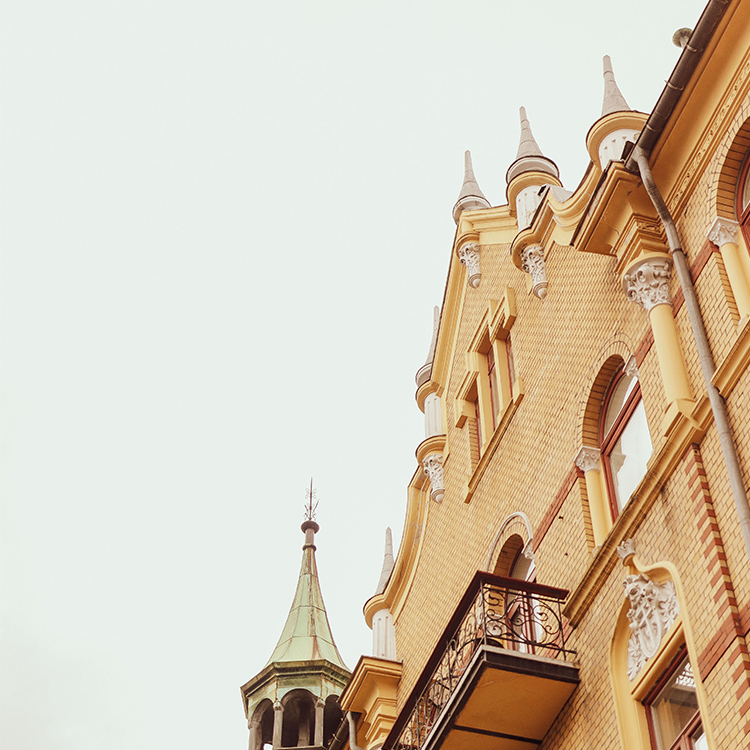
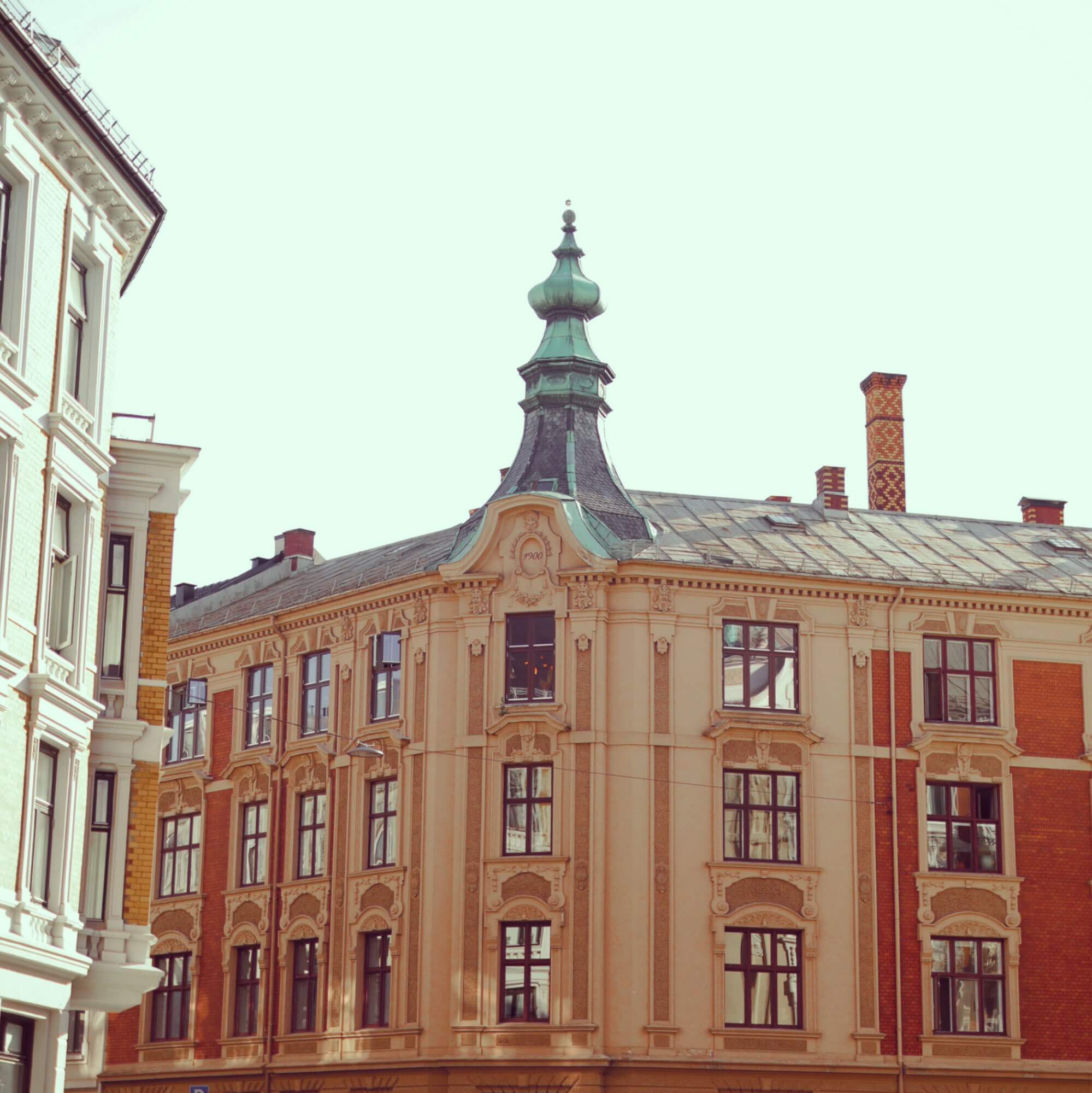
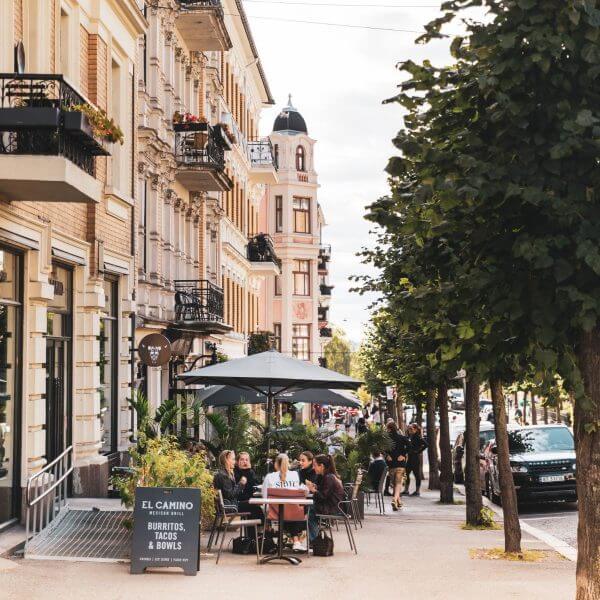
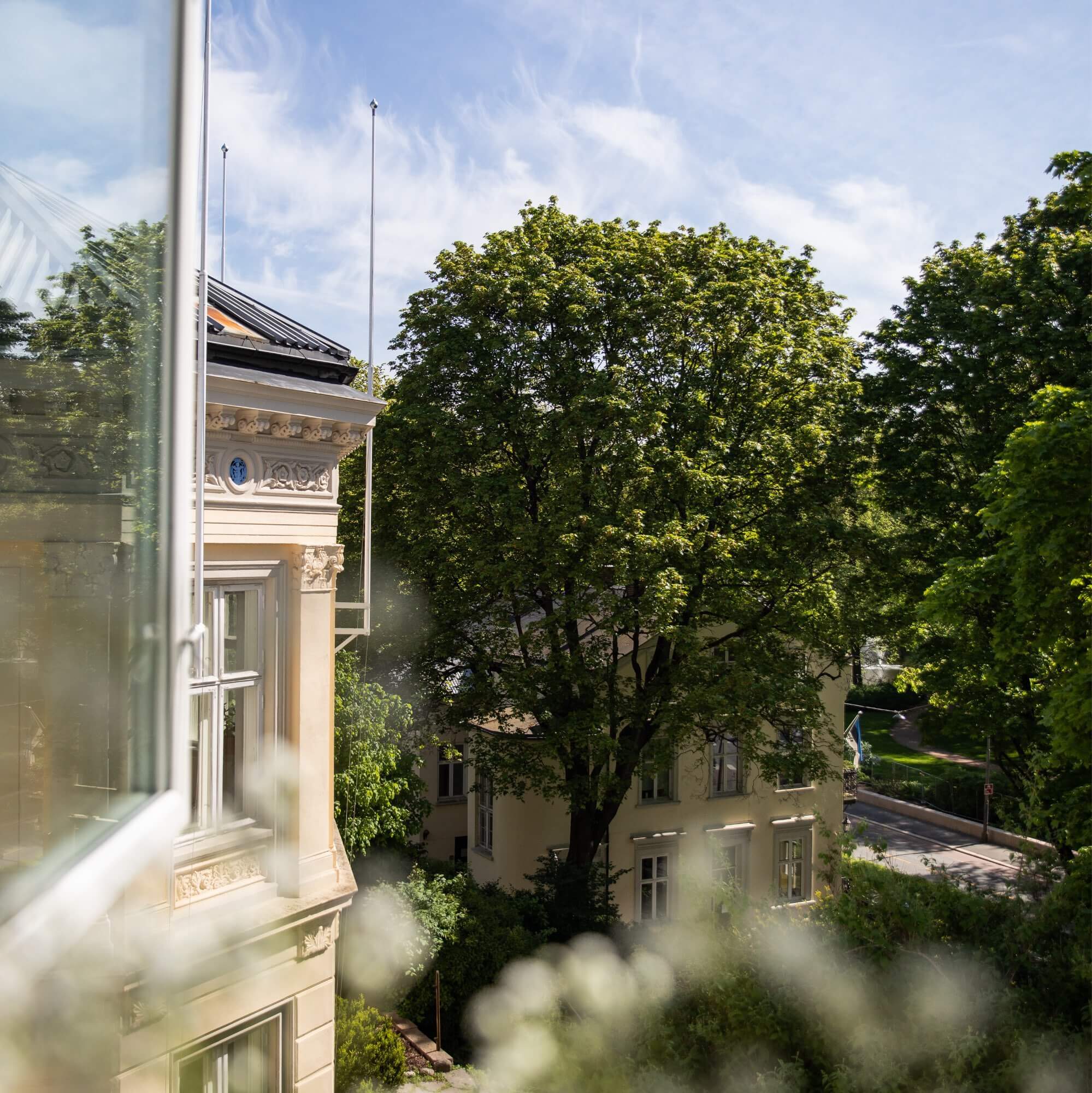
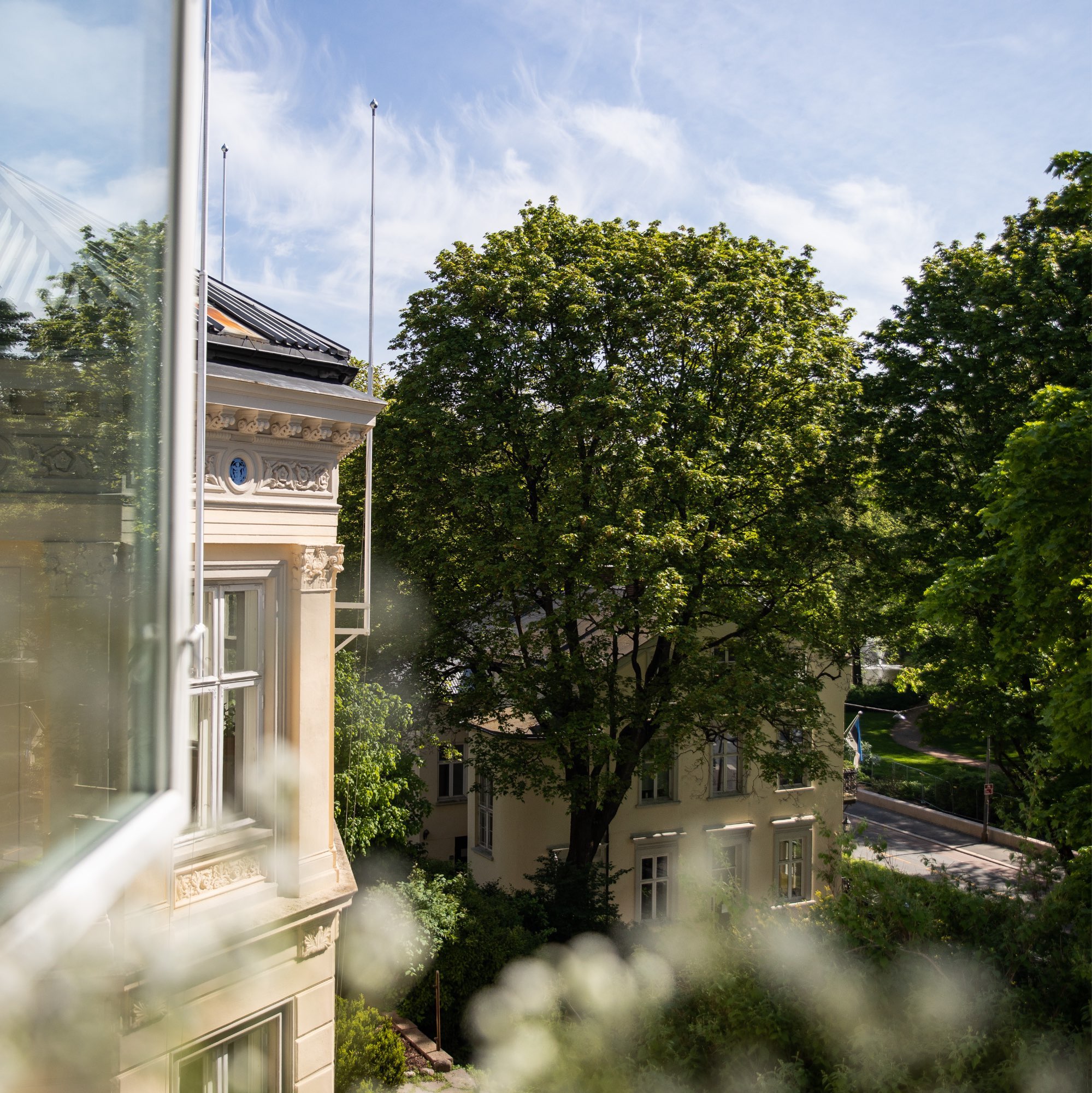
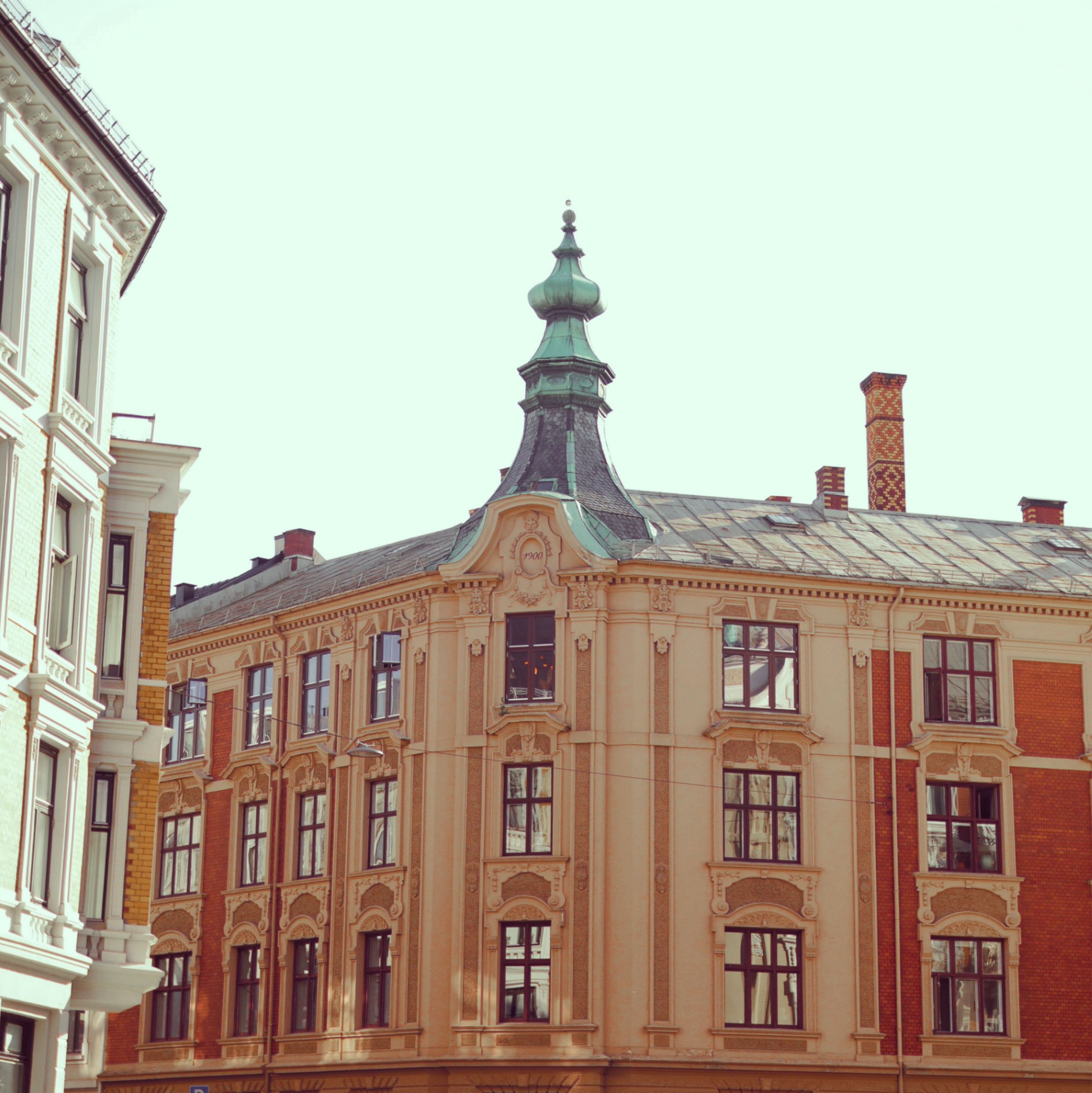
Along Bygdøy allé , surrounded by classic apartment buildings, large trees and quiet streets, is located Frogner House Bygdøy allé 53. Here you live in the heart of Frogner – between Frognerparken, Frognerkilen and Bygdøy.
This is one of Oslo's most characteristic addresses. The wide avenues, the beautiful apartment buildings and the proximity to both parks, the sea and city life give the area a very special tranquility. At the same time, the city center is never far away.
From the apartment you can stroll to Frognerparken in a few minutes, follow the sea along Frognerkilen or continue further out towards Bygdøy with beaches, museums and hiking trails. Many guests are surprised by how much nature and fresh air there is so close to the city center.
Why choose Bygdøy allé 53?
- Short walking distance to Frogner Park
- Near Frognerkilen and the sea
- Easy access to Bygdøy and the museums
- Classic Frogner apartment buildings from the turn of the century
A neighborhood with local institutions
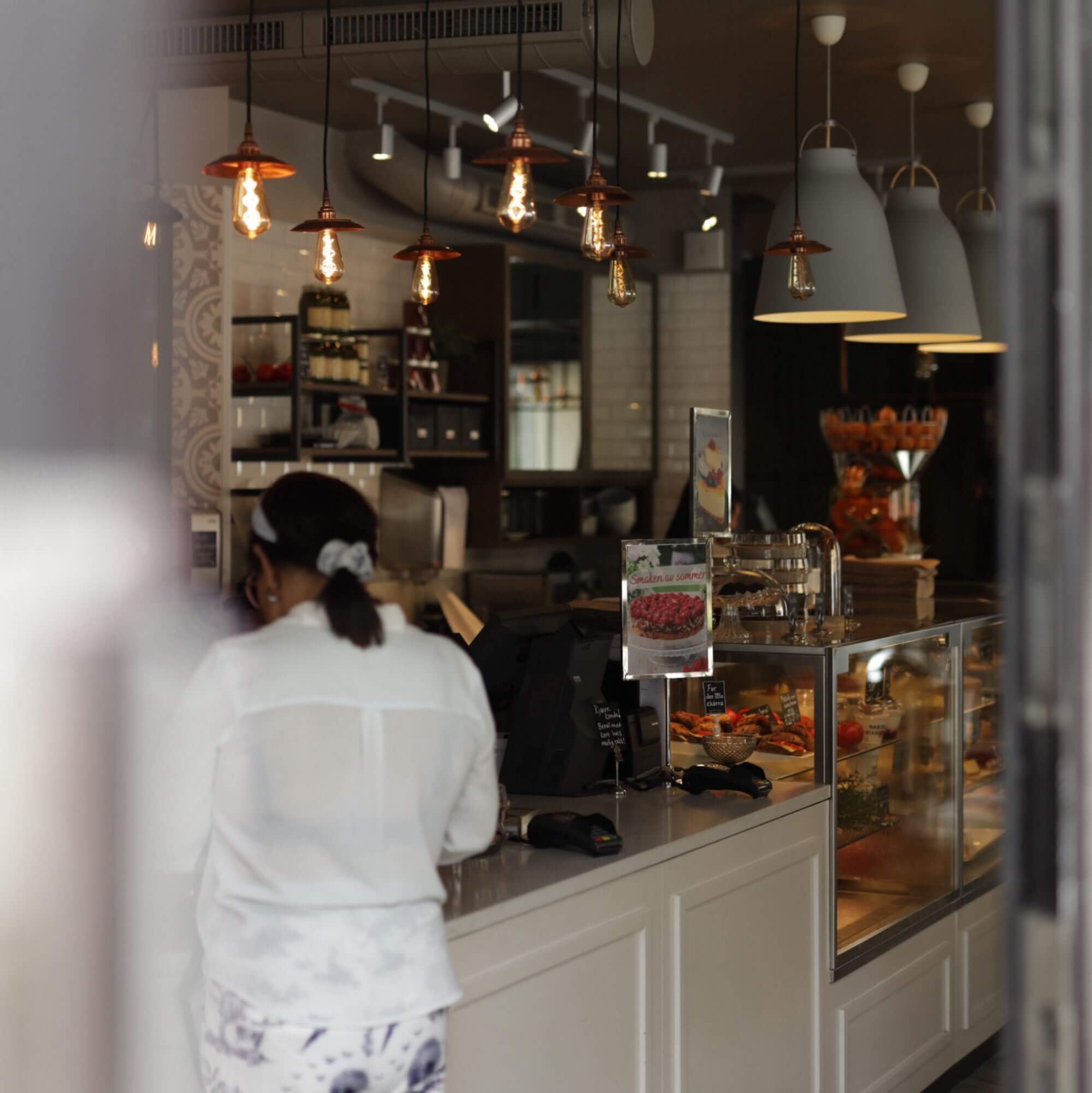
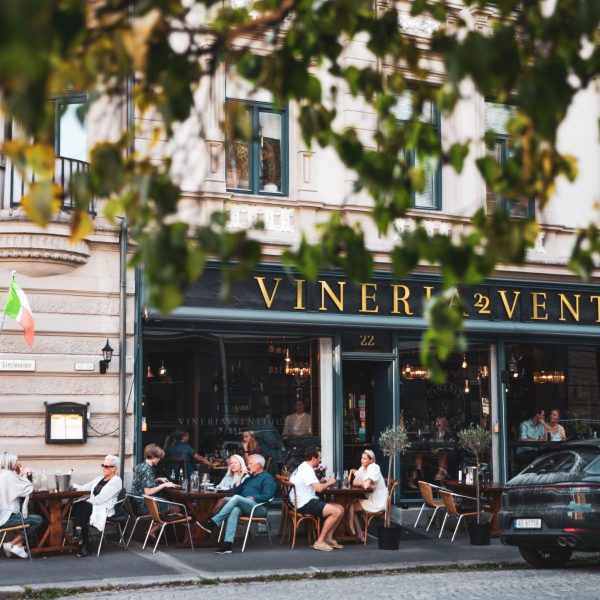
Frogner is known for its small specialty shops, restaurants and local meeting places.
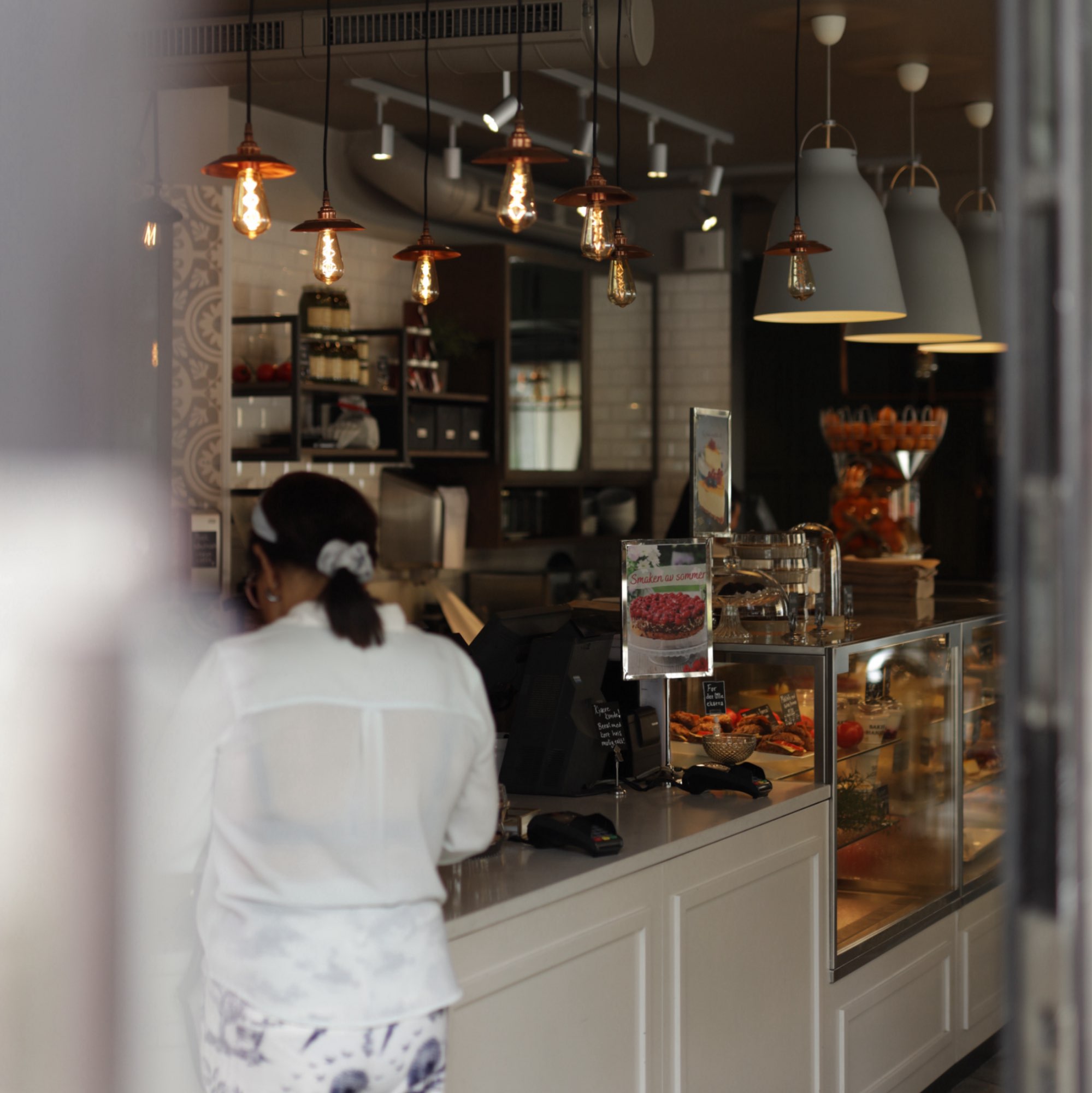
Just around the corner is O. Fjelberg, an institution in Frogner for generations. Many come here for fish and delicacies, but those who know the place know that it is also a natural stop for lunch before the trip continues towards Frognerkilen.
On Saturdays, Vestkanttorvet is filled with antiques, art, books, and little treasures. The square has been a part of the neighborhood for decades and is still a regular fixture for many locals.
Nearby you will also find Gimle Kino – one of Oslo's most charming cinemas – and Vinmonopolet Frogner, known among many as the city's "trendsetter pole".
Between park and fjord
Some of what makes Bygdøy allé Unique is the proximity to both Frognerparken and the sea.
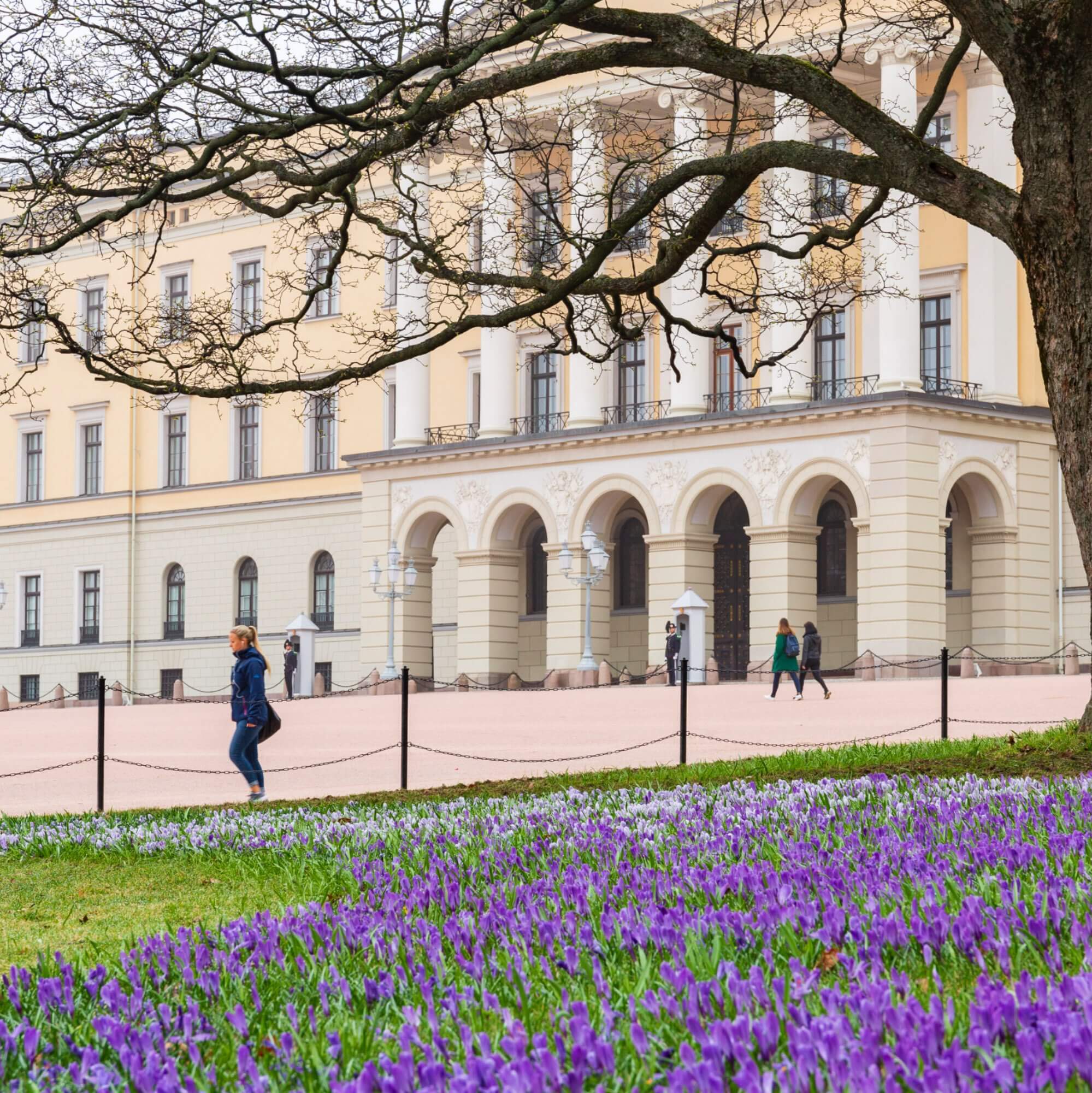
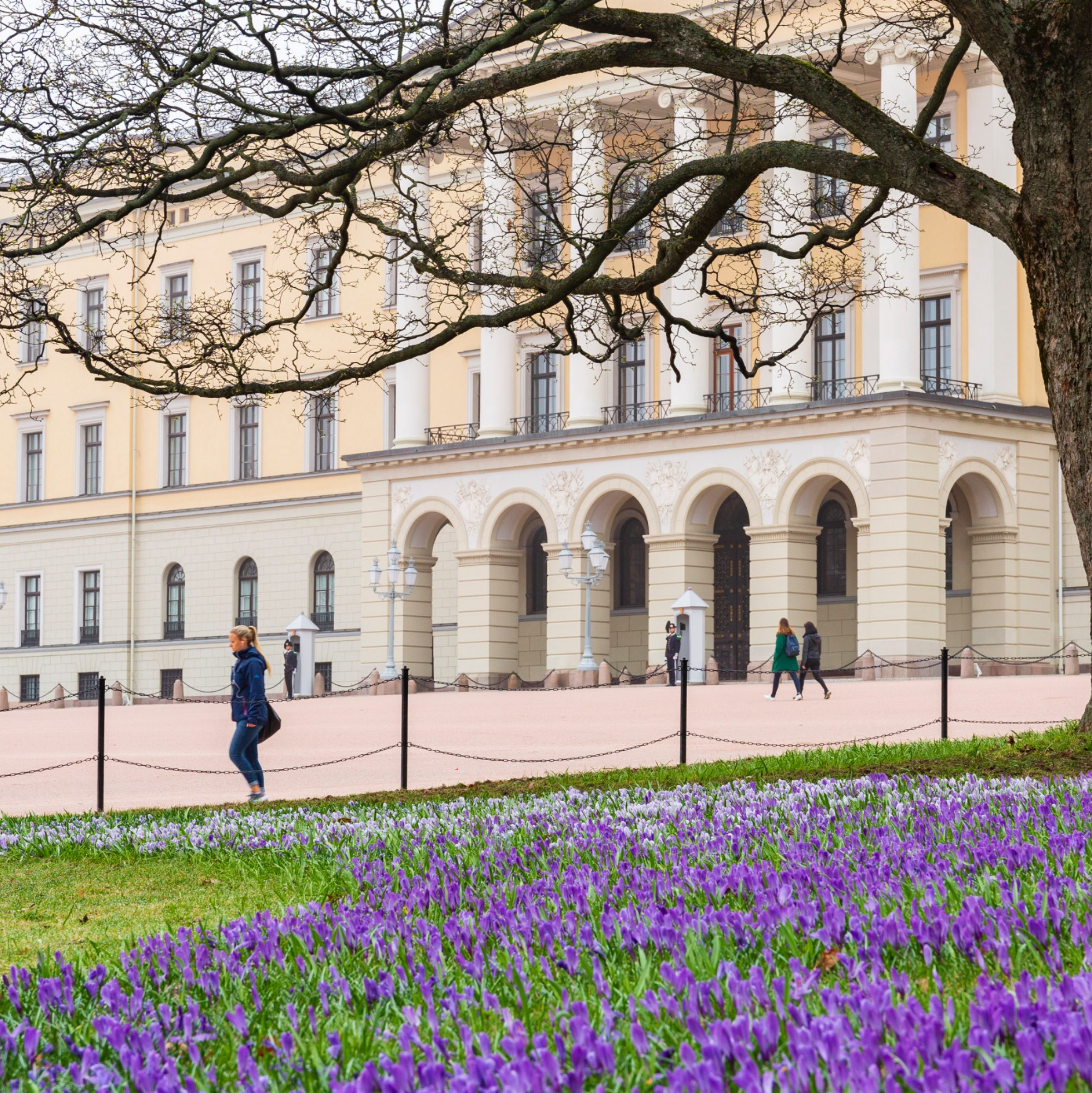
Start your day with a coffee under the trees along the avenue. Take a walk through Frognerparken, explore the sculptures in the Vigeland Museum or continue down towards Frognerkilen. From here you can follow the water further towards Bygdøy, Kongsgården, Oscarshall and the beaches along the fjord.
This is Oslo at a slower pace.
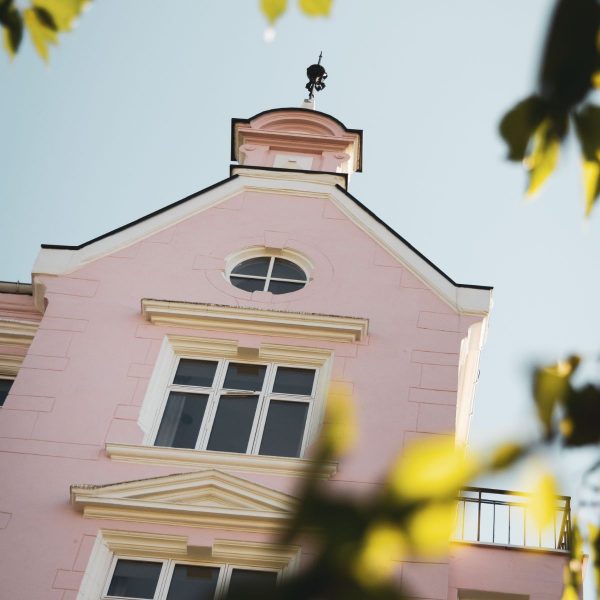
The townhouse itself dates from 1901, designed by the Swede Samuel Borgfelt as part of the continuous block along the avenue. From around 1914, parts of the building became Norum Pensjon — the precursor to what eventually became Hotel Norum, an institution in the district throughout much of the 20th century.